
What to look for on your Iowa lawn
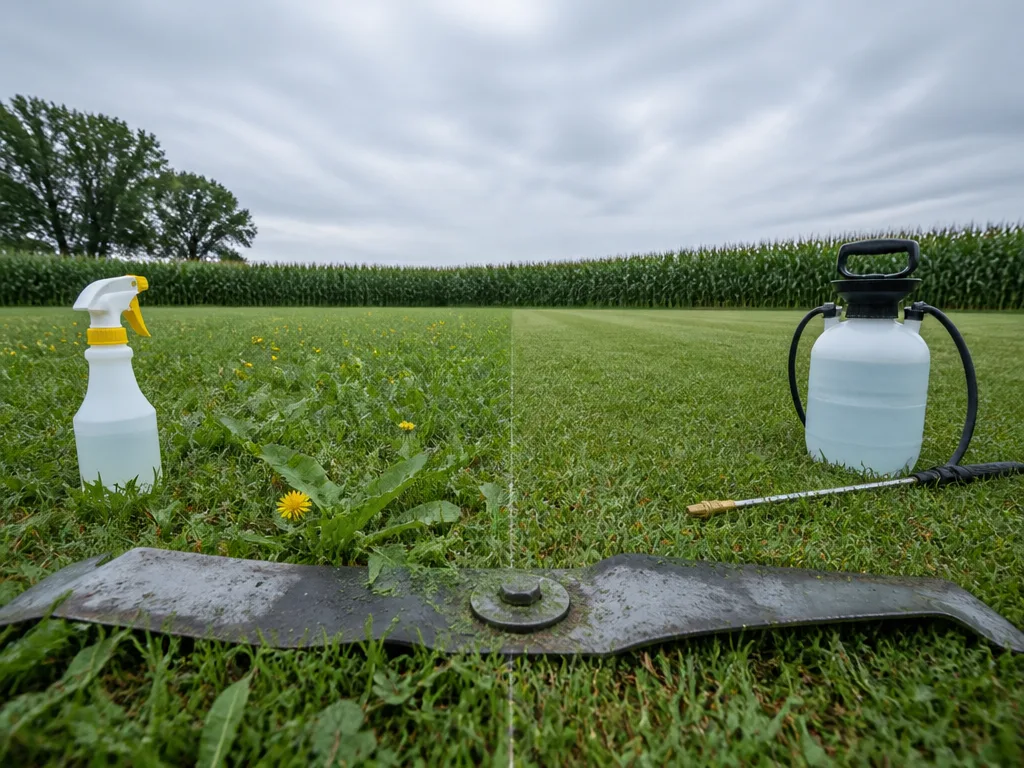
Across Iowa, a healthy lawn grows evenly, with uniform color and steady growth. When you start seeing bare patches, thinning turf, or colors that don’t look right, it’s time to take a closer look. Our team of lawn care specialists in Iowa observes several common signals that indicate a bigger issue may be at hand, especially after seasonal shifts or heavy rainfall.
In Iowa, weather swings from hot, humid summers to cold, dry winters stress turf. Early signs show up as patchy areas, lighter or darker color than the surrounding grass, and a thinning crown. These cues aren’t just cosmetic. They can signal soil problems, nutrient gaps, or compaction that limits root growth. If you spot these indicators, don’t ignore them. Addressing them early saves lawn care time and keeps Iowa yards resilient year round.
Signs that warrant a closer look
Look for patches that expand slowly but steadily, uneven growth in different zones, and blades that look crushed or flattened after a mowing pass. If you notice an unusual texture underfoot, such as spongy soil or areas that stay soft after rain, those are worth a call to our lawn care specialists. We’ll inspect soil compaction, drainage patterns, and any nutrient gaps that might be holding your turf back.
Color shifts matter too. A lawn that becomes pale or develops a bluish tint may indicate a nitrogen shortfall or improper pH. In Iowa, pH can swing with rainfall and soil type, so a quick test helps our crew recommend the right adjustments. Early action means fewer bare spots and a more uniform lawn across Iowa across seasons.
What to do now (practical steps)
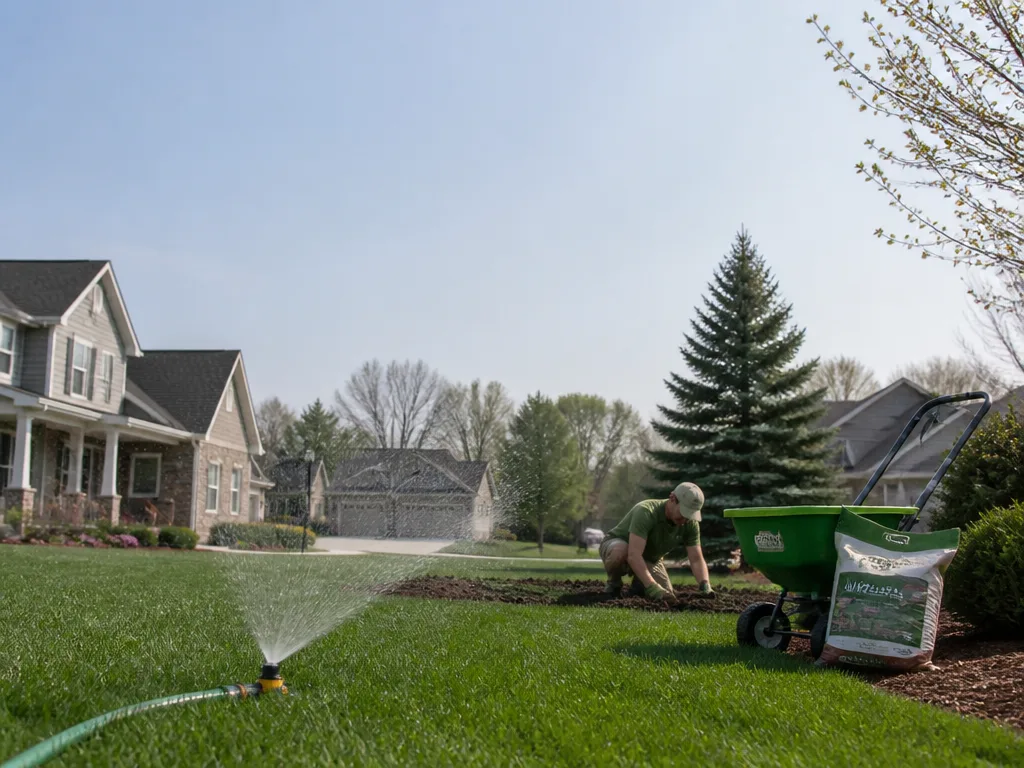
1) Keep an eye on rainfall and irrigation. Water deeply but infrequently to encourage deep roots. In Iowa, aim for about one inch of water per week, including rainfall, and adjust for heat waves. 2) Mow at the right height. A taller mowing height helps shade roots and improve drought resistance. 3) Feed thoughtfully. If you’re unsure about nutrient balance, request guidance from a lawn care specialist rather than guessing. 4) Aerate when soils are not overly wet. Compacted soil is common in high-traffic areas and under trees, and it restricts root growth. 5) Patch repair. For small bare spots, overseed and keep seeds consistently moist until new growth appears. In larger areas, plan a targeted program with our Iowa team to rebuild density over time.
Conclusion and next steps
Across Iowa, early warning signs give you a chance to protect your lawn before problems spread. If you notice patches, color shifts, or soft ground underfoot, a quick check with a lawn care specialist can set the plan in motion. Iowa Large Tree Removal can help you interpret those signals, tailor a practical care plan, and work with you to keep the entire yard healthy through all four seasons.